Have you ever got home from a trip where you’ve travelled through multiple countries and felt like you hadn’t really been anywhere at all? You saw all the sights, tried all the local foods, and filled your camera with hundreds of photos and yet you still feel unsatisfied. If so, it may not just be a case of the post-holiday blues.
Instead it could be because you had a super-tight itinerary and squeezed in as much as possible. Fast travel is often the only choice when you have a limited timeframe and want to pack a lot of places and things into your trip. But if you have a decent amount of annual leave or work remotely, slow travel is a much lovelier way to go.
What Is Slow Travel?
Slow travel is a mindful approach to tourism. The aim is to experience travel on a deeper level.
In practical terms, it means staying in one place over a longer period of time. You’re spending a month in Setúbal instead of three nights in Lisbon. You’re working remotely from a village in the Caucasus instead of a city break in Tbilisi. You’re getting to know one Greek island instead of island-hopping between five.
Instead of rushing from one city to the next, you’re taking time to settle into your destination. You’re making spontaneous discoveries, becoming a regular at a cafe, and immersing yourself in everyday life. You can also choose to get from A to B in slow travel style by taking the train rather than flying.
Why Is Slow Travel Growing in 2026?
According to Vrbo, 91% of travellers are seeking slow-travel experiences in 2026. People are more aware of the impact that overtourism can have on a country. It lowers the quality of life for locals by causing a strain on the local economy and infrastructure.
The more people realise the impact their travels can have, the more they are looking to travel more sustainably. They want to support the economy by dining at authentic restaurants, shopping at markets, and staying in locally owned accommodation.
The growth of remote and hybrid work arrangements has also boosted the remote work movement. Over 6.7 million Australians work from home, which makes both remote work and slow travel more accessible. Travel is increasingly becoming a way of life, not just a once-a-year thing.
How to Start Slow Travelling
There is no right or wrong way to slow travel. It’s a vague term, and open to interpretation. However, some tips can help you get the most out of the experience.
Start Small
If you’ve never experienced backpacking or long-term travel before, start small. For example, select one European city and book to stay twice as long as you normally would.
Check for Local Amenities
When booking accommodation, check the amenities in the surrounding area. Look for locations surrounded by independent shops, markets, and cafes.
Don’t Make an Itinerary
Don’t create a strict, action-packed plan. Instead, have a few things you want to check out, but leave lots of room for spontaneous experiences.
Pick a Theme
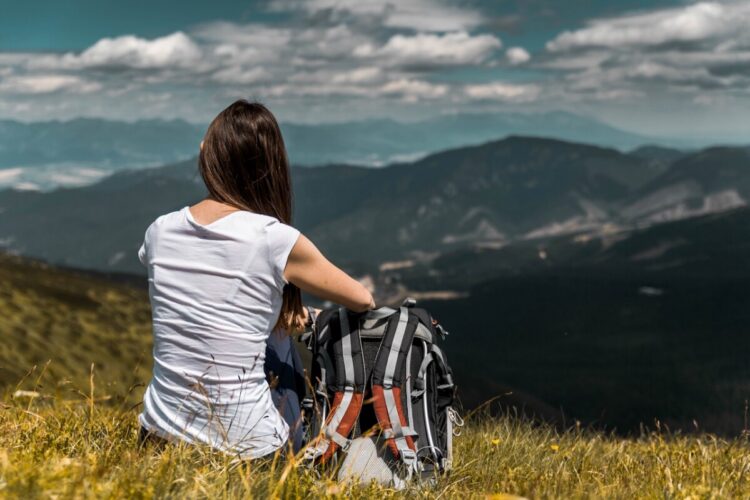
Picking a theme gives your slow travel experience some structure. Theme examples include hiking, cycling, running, surfing, art, or history.
A theme gives your trip a direction and can help you connect more deeply with a destination. For example, data shows that 51% of 25-34-year-old Australians are looking to discover a new place through running or cycling. Active exploration allows you to meet locals and discover parts of cities you wouldn’t have found otherwise.
Stay Connected
Travelling can be lonely, especially on long-term adventures. Social media and video calls can help you stay connected with your friends and family. Using a VPN can also help you keep on top of your favourite films and TV shows. The best high-speed VPN tools allow you to stream beyond geo-restrictions while travelling.
Join Expat Groups
If you’re going to be there for a while and want to meet fellow travellers living or working in a new place you can easily find groups for expats on Facebook or Reddit for your chosen location. In these groups, you can learn about expat meetups or events happening throughout the city.
Learn Some Phrases
You don’t need to be proficient in the local language to be a successful slow traveller. However, learning a few basic phrases can make it easier to connect, and it’s only polite. As soon as you start planning your trip start doing daily lessons with a language app like Duolingo or Babbel and then continue your lessons when you’re there and can start using them in real life.
Experience More by Travelling Less
Slow travel allows you to form a genuine connection with your chosen location. A lot of people collect passport stamps and are so focused on the best photos for Instagram they forget to actually experience their destinations. Slowing down allows you to collect stories, friendships, and memories.
The images in this story are by Jan Vašek who shares free stock photos through his website Jeshoots. Thanks Jan!


Leave a Comment